
Templates sell the vendor’s story, not yours
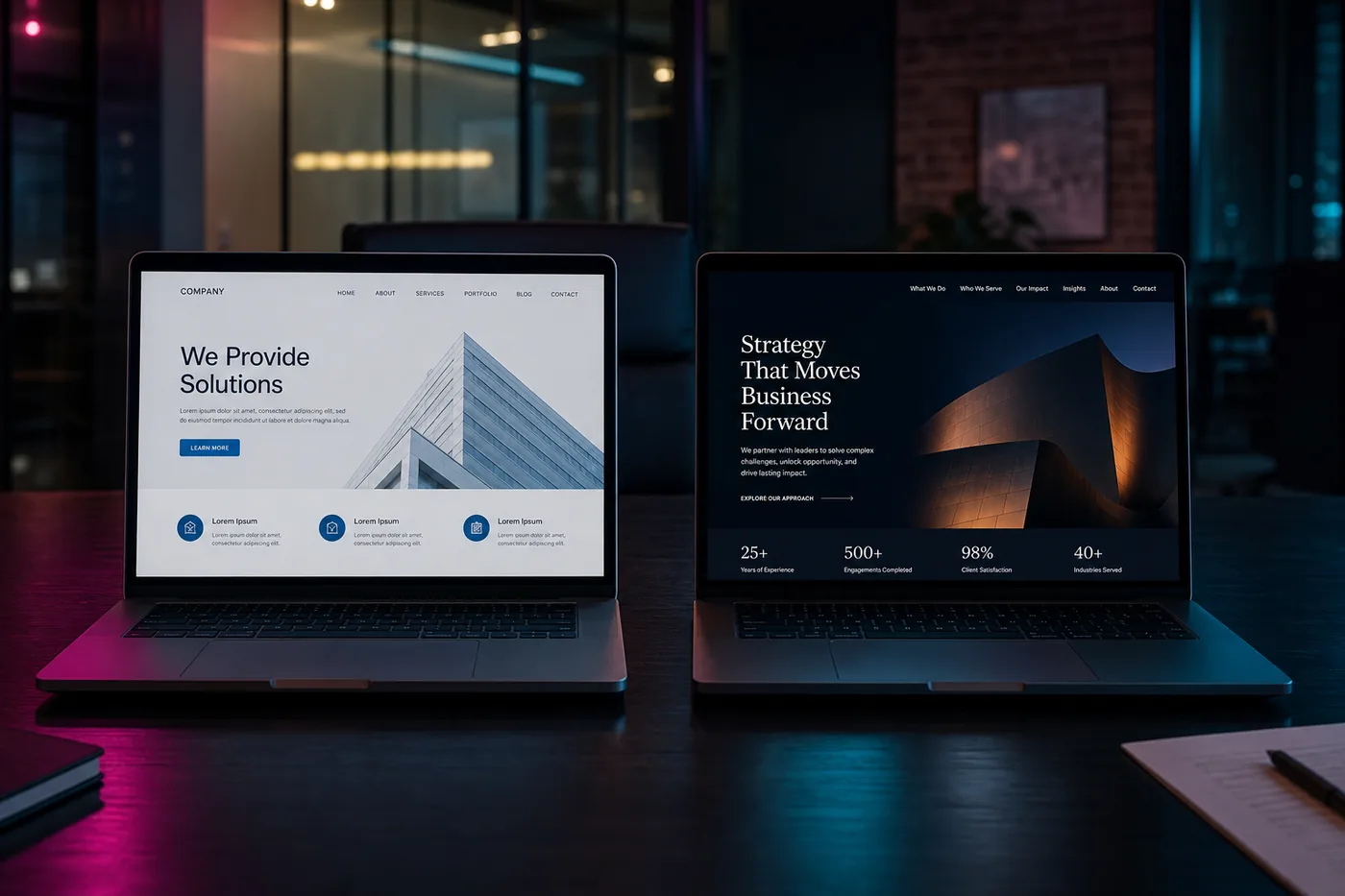
Open any popular website template and you will see the same hero layout, the same three-column feature row, the same “Our Journey” timeline. Buyers feel the sameness even if they cannot name it. Trust drops a notch before they read a word.
Templates are built to demo well — not to close your specific buyer. They compress complex businesses into generic blocks: “Services,” “About,” “Contact.” If you sell installs, wholesale CPG, or multi-location food experiences, that structure fights you.
The businesses we shipped in May did not need another theme. They needed narrative architecture: what to say first on mobile, where proof lives, how a retail buyer scans flavors, how an auto customer texts from a product page. That is custom work — and it compounds because the story stays yours.
Telling your own story is a revenue function
Story is not fluff. It is how you answer: Why you instead of the cheaper option? Why now? Why this price?
When Lemon Juice Kids talks about Dearborn roots and shelf presence across metro Detroit retailers, that is not nostalgia — it is wholesale proof. When a service shop explains same-day install capacity, that is risk reduction for a buyer spending hundreds on vehicle work.
If that story only exists in captions and disappears in a feed, you are re-explaining yourself forever. An owned site is the canonical version — the one your team, your ads, and your AI search listings can point to consistently.
SEO, AI search, and the death of “just post more”
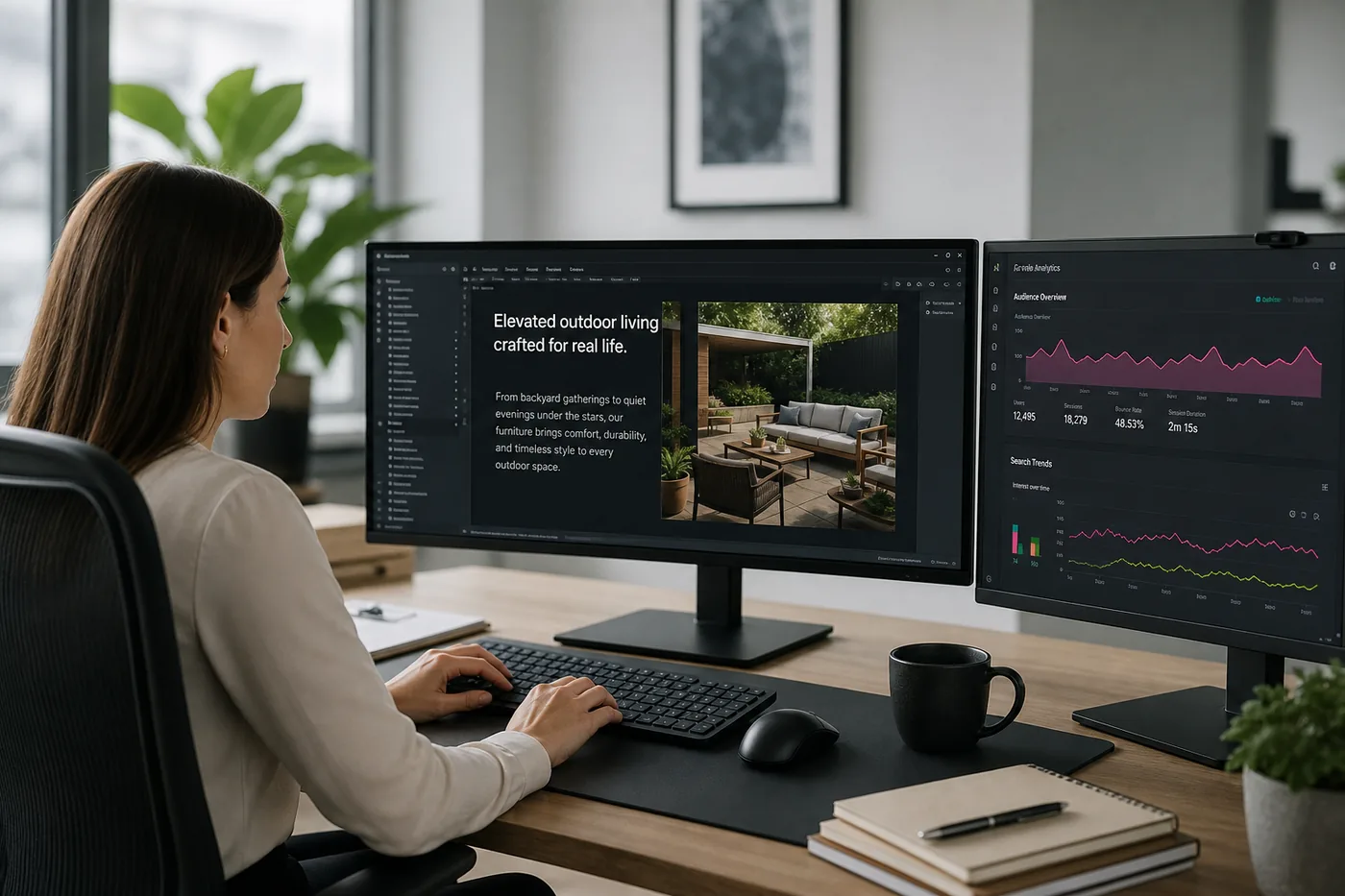
Search in 2026 is not only ten blue links. It is AI summaries, local packs, and voice-style answers that pull from structured, credible pages. Templates with thin copy and duplicate metadata struggle.
Owned websites let you build depth: service pages that match intent, product families that mirror how people search, FAQs that resolve real objections, and press-ready facts buyers can quote.
Social posts decay in hours. Pages on your domain can gain authority for years — especially when they are fast, readable, and updated when your business changes.
Link-in-bio is a lobby, not a headquarters
Link stacks are fine for creators testing offers. They are fragile for operating businesses. Fees climb, layouts change, analytics are limited, and you are visually sandwiched between other brands.
Worse: you teach customers that your “real” home is not memorable. They remember the platform, not your name.
Replace the lobby with a front door. One domain. One design system. One set of analytics. Social becomes the megaphone that drives people to a place you own.
What a custom Revio site includes (beyond pretty pages)
Mobile-first typography and spacing that read like editorial — not cramped theme defaults.
Conversion paths that match how you sell: SMS, call, book, order, wholesale inquiry — not a single generic form buried at the bottom.
Performance and technical SEO baseline: fast loads, sensible metadata, structured content managers can update without breaking layout.
Full handoff: source code, assets, deployment docs. You are not locked into our hosting or our renewal calendar.
Build the archive your future self will need
Press, partners, lenders, and high-ticket buyers all Google you. What they find should read like you — not like a template filled with placeholder adjectives.
The owners who invest once in a custom owned site stop re-litigating credibility on every sales call. The site does the first ten minutes of explanation. Your team handles the close.