
Platforms do not owe you a tomorrow
In 2008, millions of small businesses treated MySpace like the internet. Bands booked tours from it. Shops announced sales on it. Entire customer relationships lived inside a profile someone else owned. When the audience moved, those businesses did not migrate — they evaporated.
The pattern repeats. Vine. Google+. Clubhouse hype cycles. Twitter’s rebrand, reach collapse, and policy whiplash under X. Each time, the same lesson lands harder: if your revenue path depends on a platform you do not control, you are one algorithm update away from starting over.
This is not an argument against social media. It is an argument against building your house on rented land. The owners we work with in Detroit and across Michigan still use Instagram, TikTok, and X — but they route attention back to properties they own: a fast website, a customer database, and software that matches how they actually sell.

The three assets platforms can take away
First: audience access. A shadowban, policy strike, or category change can cut reach without warning. You may still have “followers,” but the pipe to them is controlled elsewhere.
Second: content history. Years of posts, proof, and storytelling can become unsearchable, buried, or deleted under new terms. Your brand archive should not live at the mercy of a moderation team you have never met.
Third: customer data. DMs, comment leads, and in-app inquiries are not a CRM. When the platform changes messaging rules or paywalls contact, your pipeline stalls. Businesses that survived 2020’s digital shift learned this painfully: if you cannot export it, you do not own it.
Censorship, politics, and “the new platform everyone uses”
Government pressure and corporate policy are not theoretical for business owners. Accounts get restricted. Categories get flagged. Payment processing for certain industries changes overnight. Even compliant businesses get caught in automated enforcement.
Then there is the Musk effect — not one person, but a category of market shock. A new app captures attention, ad dollars follow, and your carefully built presence on last year’s platform stops compounding. You are not failing. You are standing still on ground that moved.
The fix is not predicting which network wins. The fix is decoupling your core operations from any single gatekeeper: owned website, owned email and SMS list, owned checkout or booking flow, and owned records of who bought from you and when.
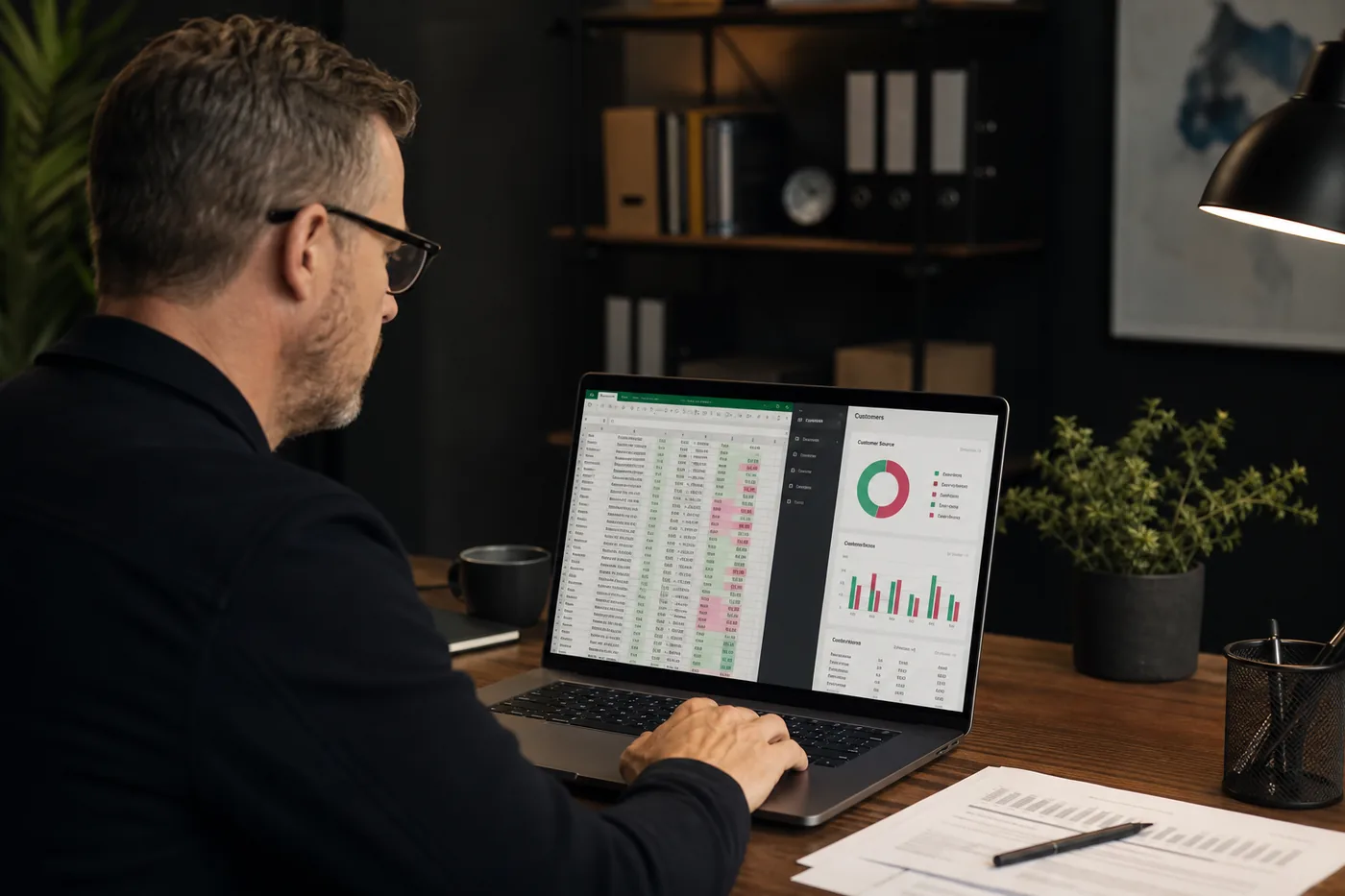
What “owned platform” actually means for a small business
It does not mean building the next Facebook. It means your canonical business identity lives at your domain — not a link-in-bio stack of rented tools.
It means product and service truth on pages you control: hours, pricing logic, inventory, booking rules, and the story of why you exist — written for buyers and Google, not for a template vendor’s demo content.
It means when Auto Accessories USA texts a customer about tint availability, or Lemon Juice Kids points a buyer to store locators, the destination is theirs. The experience is fast on mobile, accurate, and not competing with ten other brands in the same marketplace grid.
A practical migration path (without burning down what works)
Phase one: audit where leads enter today — DMs, Google Business Profile, phone, walk-in. Mark which paths you cannot export or automate.
Phase two: stand up the owned hub. One website that is the reference for every bio link, QR code, and ad. Connect analytics you control. Capture email or SMS with consent on your turf.
Phase three: move workflows one at a time — booking, catalog, reorder campaigns — into software you keep. Social stays for discovery. The business lives on infrastructure you pay for once and hold at handoff.
Owners who wait for the “right time” usually move under crisis — after a ban, a fee hike, or a dead quarter. The calm version is cheaper, slower, and far less terrifying.
The compounding advantage of starting now
Every month you send traffic only to rented surfaces, you train customers to forget your domain. Every month you capture buyers into owned systems, you build a reactivation asset that paid ads cannot buy: trust from people who already know you.
Platform risk is not a tech fear. It is a business continuity issue — the same class as losing a lease or a key supplier. The owners treating digital the way they treat balance sheets are the ones still standing when the next platform resets the scoreboard.