CPG brands sell twice — to shoppers and to gatekeepers
Consumer packaged goods companies live in two conversations at once. Shoppers ask, “Is this for me?” Retail buyers ask, “Will this turn on my shelf?” A pretty Instagram grid alone does not answer the second question.
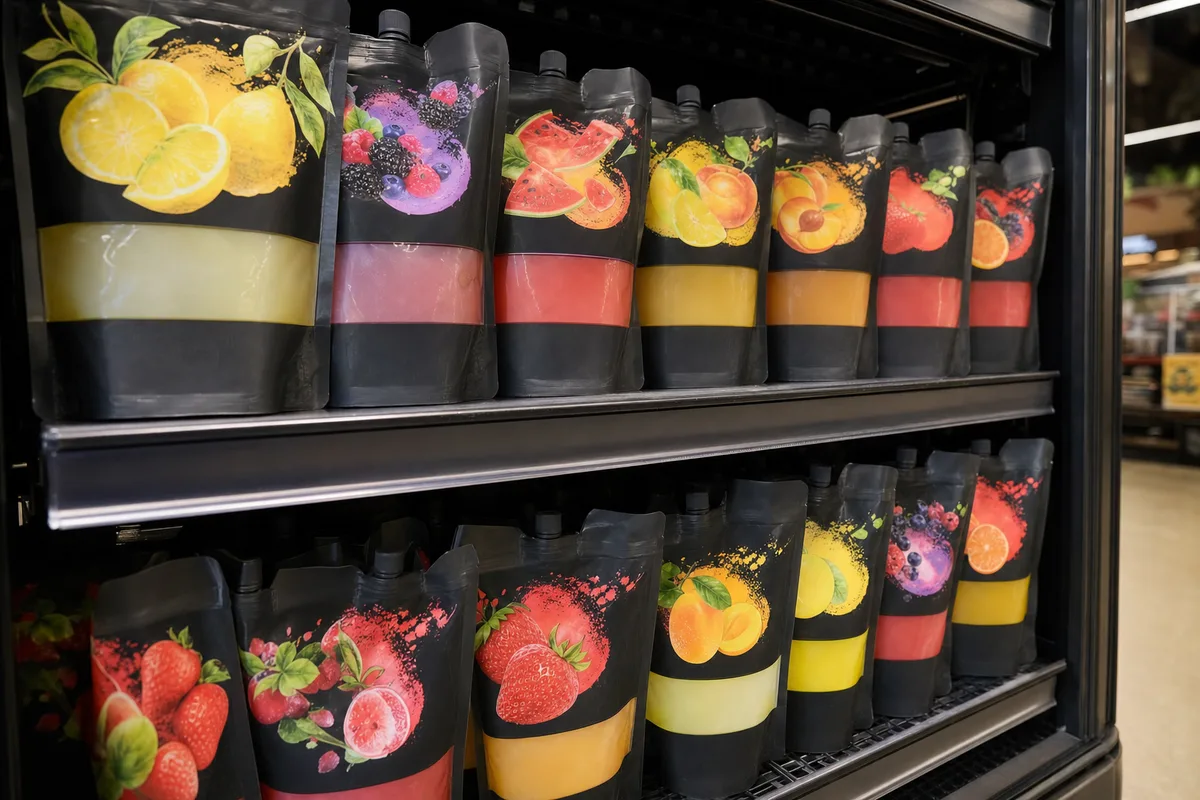
Lemon Juice Kids — born in Dearborn, now in more than two dozen metro Detroit retailers — needed a site that carries the same bold flavor story as the black resealable pouches, while giving wholesale partners enough structure to trust the operation behind it.
That is why May felt busy on our side: food brands, auto retail, gelato locations — all different SKUs, all the same underlying need for owned storytelling that compounds.
Flavor architecture is a UX problem
Eight flavors sounds simple until you try to explain sour, sweet, seasonal, and kid-friendly without clutter. We treated the lineup like a product system: scannable names, consistent visuals, and language that works for both parents in aisle and buyers reviewing a line sheet mindset.
On social, founders on Instagram and TikTok continue to prove traction with product-in-hand content — retail wins posted as credibility, not vanity. The site becomes the stable reference everything else links back to.
When messaging on social and shelf diverge — pricing, availability, flavor names — buyers notice. Alignment is not marketing polish; it is operational trust.
Why ownership matters when you outgrow marketplaces
Marketplaces and rented storefronts are fine for validation. They become expensive when the brand is the product — when packaging, repeat purchase, and retail expansion depend on a coherent story you control.
An owned site is where press, buyers, and collaborators land after they see you in store or on a clip. It should load fast, read clearly on mobile, and make the next step obvious: find a store, order direct, or reach the team.
Lessons for founders eyeing retail expansion
Prove community first, then weaponize proof. Screenshots of retail doors, customer UGC, and founder-led content beat abstract mission statements when you are asking for shelf space.
Build the hub before you need it — not after a buyer asks for a link and you send a Linktree held together with duct tape. The founders scaling cleanly in 2026 treat the website as part of commercial strategy, not a side project.